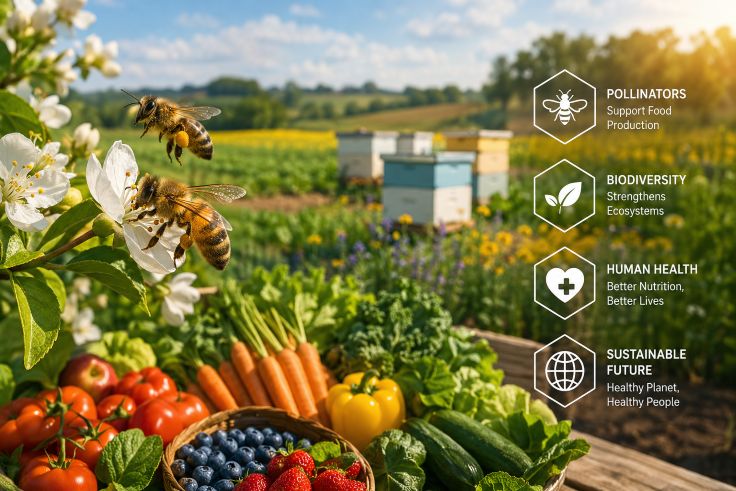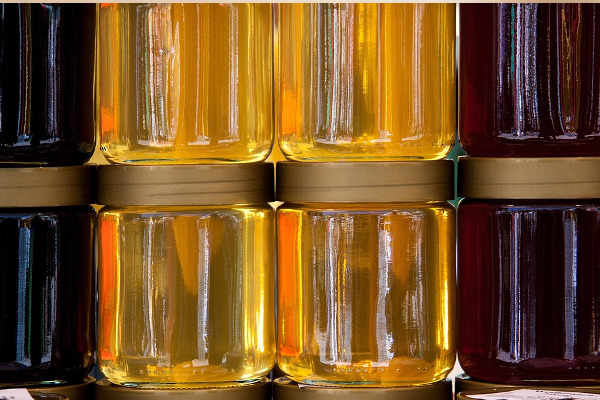
 Honey bees are essential not just for honey, but for food security, ecosystem health, and environmental sustainability. Many species, including birds and small mammals, rely on fruits and seeds from plants pollinated by bees.
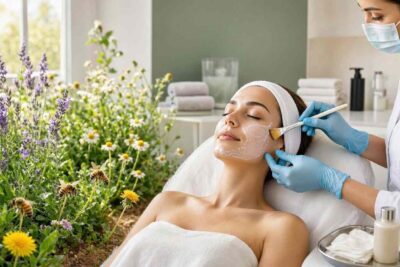 Bees play a small but important role in the natural world. They support plant growth, food production, and healthy ecosystems. Their work may seem far removed from skincare, but there is a useful connection between the two. Both healthy ecosystems and healthy skin depend on balance, protection, and regular care.
Skin is the body’s largest organ. It protects us from the environment and helps control temperature. It also reacts to sunlight, pollution, stress, dryness, and natural aging. Over time, the surface of the skin can become rough or uneven. Dead skin cells may build up, and some people may notice dullness or changes in texture.
This is where treatments such as a chemical peel may be considered. A chemical peel for smoother looking skin works by removing some of the damaged or older cells from the surface. The goal is to support a fresher and more even appearance.
Just as bees help renew plant life through pollination, skincare treatments can support the natural renewal process of the skin. The comparison is not exact, but both show how regular renewal can help maintain a healthy system.
Bees, Health, and the Importance of Natural Balance
Bees are essential to many plants that produce fruits, vegetables, nuts, and seeds. As bees move from flower to flower, they transfer pollen. This process helps plants reproduce and supports the growth of food that people rely on.
Many foods linked with balanced nutrition depend in some way on pollinators. Berries, apples, almonds, cucumbers, and many other crops benefit from bee activity. These foods can provide vitamins, minerals, fiber, and antioxidants as part of a varied diet.
A balanced diet also supports general skin health. Nutrients such as vitamin C, vitamin E, zinc, healthy fats, and protein help the body maintain normal skin function. Drinking enough water and getting regular sleep may also support how the skin looks and feels.
However, no single food can create perfect skin. The same applies to honey and other bee-related products. Honey is often associated with natural skincare, but it should not be treated as a cure for skin concerns.
People with sensitive skin or allergies should also be careful when applying natural products directly to the face. Something being natural does not automatically mean it is suitable for every skin type.
Healthy skin is often supported by simple habits. Gentle cleansing, moisturizing, sun protection, balanced nutrition, and professional advice when needed can all play a role.
Environmental health matters too. When bees and other pollinators decline, plant diversity and food production can be affected. Protecting pollinators can therefore support wider food systems and human health.
This creates a clear connection between environmental care and personal wellness. Healthy ecosystems provide resources that support daily life. At the same time, personal health often depends on consistent care rather than quick solutions.
How a Chemical Peel Can Support Smoother Looking Skin
A chemical peel is a cosmetic treatment that uses a controlled chemical solution on the skin. The solution helps loosen and remove some of the outer skin cells. As these cells shed, newer skin underneath becomes more visible.
Chemical peels are available in different strengths. Superficial peels usually work on the outer layer of the skin. Medium and deeper peels reach further into the skin and may require more recovery time.
For people who want smoother looking skin, lighter peels are often used to improve surface texture. They may also help reduce the appearance of mild discoloration, dullness, and some forms of uneven texture.
Common ingredients used in chemical peels include glycolic acid, lactic acid, salicylic acid, and other controlled peeling agents. The type of peel used depends on the person’s skin type, goals, and overall skin condition.
A professional consultation is important before having a peel. Not every treatment is suitable for every person. People with very sensitive skin, active irritation, certain skin conditions, or recent skin procedures may need a different approach.
After a peel, the skin may feel dry, tight, or slightly sensitive. Mild flaking can also occur. These effects are part of the renewal process, especially after a superficial peel.
Sun protection becomes especially important after treatment. Freshly treated skin may be more sensitive to sunlight. Using a broad-spectrum sunscreen and limiting strong sun exposure can help protect the skin while it recovers.
Harsh scrubs and strong active ingredients should usually be avoided for a short time after treatment. A gentle cleanser and simple moisturizer may be more suitable during recovery.
The goal of treatment should not be to remove as much skin as possible. More intense treatment does not always mean better results. A controlled approach is safer and often more effective.
Building Healthy Habits Around Skin Renewal
Healthy skin usually comes from a combination of daily care and occasional professional treatments. Chemical peels may support smoother looking skin, but they work best when combined with good skincare habits.
Sun protection is one of the most important steps. Repeated sun exposure can contribute to uneven tone, rough texture, and visible signs of aging. Daily sunscreen can help reduce further damage.
Moisturizing is also important. The skin barrier needs enough moisture to stay comfortable and protect the body from outside irritants. A suitable moisturizer can help reduce dryness and support recovery after cosmetic treatments.
Nutrition also matters. The foods made possible by pollinators, including bees, can form part of a healthy and varied diet. Fruits, vegetables, nuts, and seeds provide nutrients that support many body functions, including those related to the skin.
Sleep, stress management, exercise, and hydration may also influence overall wellness. Skin often reflects changes in lifestyle, although many skin concerns are also affected by age, genetics, hormones, and environmental exposure.
Professional treatments can be useful when realistic expectations are set. A chemical peel may help improve surface texture, but results vary. Some people may need several sessions, while others may benefit more from a different skincare method.
The connection between bees and skincare is a reminder that health depends on many small systems working together. Bees support the plants that help feed us. Good nutrition supports the body. Daily skincare protects the skin. Professional treatments can provide extra support when needed.
Smoother looking skin is rarely the result of one product or one treatment. It usually comes from regular care, sensible habits, and choosing treatments that suit individual needs.
A chemical peel can be one part of that approach. When performed correctly and followed by proper aftercare, it may help the skin look fresher, smoother, and more even. Combined with sun protection, balanced nutrition, and gentle daily care, it can fit into a wider routine focused on long-term skin health.
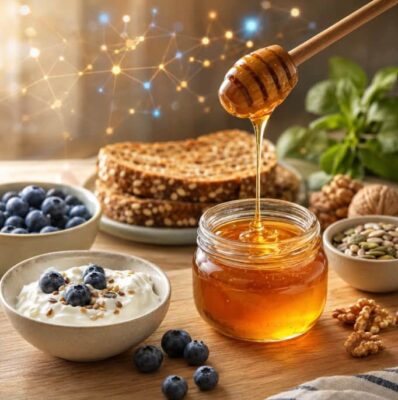

 Nearly 75% of global food crops depend, at least in part, on pollinators such as bees, according to the Food and Agriculture Organization (FAO). This ecological service quietly supports both biodiversity and the stability of local economies, linking natural systems to human livelihoods in ways that are often overlooked.